Musty smell with no visible mold
We use thermal imaging and air sampling to locate the source without tearing the house apart. Once we find it, the report tells you exactly what needs to come out and what can be dried in place.
Mold Inspection in Spanish Fork is a room-by-room moisture and air assessment that tells you whether growth is active, where the water is coming from, and what it will take to fix it. We inspect attics, crawlspaces, basements, and wall cavities in Utah County homes, then hand you a written report with lab results and photos. If you smell something musty or had a leak this year, call us before the problem spreads.
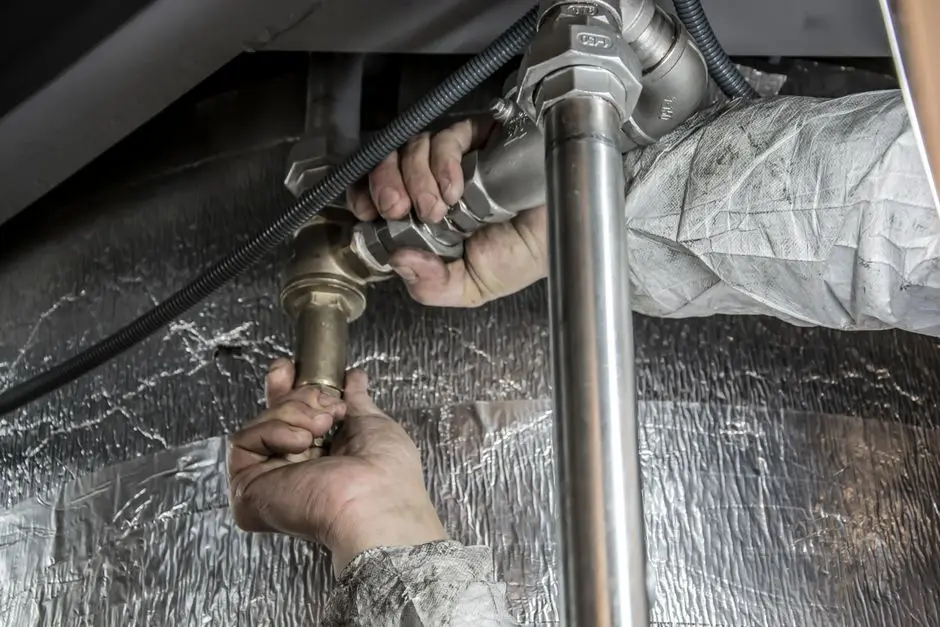
A mold inspection is not a quick walk-through with a flashlight. We map moisture with pin and pinless meters, scan walls and ceilings with a FLIR thermal camera, and pull air samples from suspect rooms plus an outdoor control sample. Each sample goes to an accredited lab, and you get results in about 48 to 72 hours. We also trace the water source, because mold without moisture stops growing but never goes away on its own.
Spanish Fork sits in a high-desert valley where swamp coolers, spring snowmelt, and summer monsoon storms push water into places homeowners never see. Finished basements under the bench, crawlspaces behind older homes on Main Street, and attic decks above garages are the three spots we find growth most often. If you have noticed a musty smell after a plumbing leak or a wet winter, a professional mold inspection in Spanish Fork costs far less than waiting for remediation.
Every inspection covers the full moisture picture of your home, not just the room that smells. Lab fees and the written report are part of the price. If remediation is needed, we quote it separately after you have the findings in hand.
Pin and pinless meter readings in every room, plus attic, crawlspace, and basement. We log readings on a floor plan so you can see exactly where the wet zones are.
FLIR camera scans of walls, ceilings, and floors to find trapped moisture behind finishes. Cold spots get confirmed with a meter before we call them a problem.
Calibrated air pump samples plus surface swabs where growth is visible, sent to an accredited lab. Results include spore counts and species identification.
We follow the moisture back to the supply line, drain, roof, or foundation issue causing it. Fixing the source is the only way to keep mold from returning.
A signed report with moisture maps, lab data, photos, and recommended next steps. Formatted for insurance adjusters and real estate transactions.
We ask about the leak history, the smell, any visible spotting, and when it started. That call takes about 10 minutes and lets us bring the right meters and enough sample cassettes for the size of the home.
We start outside and work in: roof, grading, foundation, then attic, crawlspace, and every room. Moisture readings get logged room by room, and we photograph anything that looks or reads wet.
Air samples run 15 minutes each with a calibrated pump, and we take surface swabs where growth is visible. Thermal scans follow the cold spots that suggest trapped moisture behind finishes.
Samples ship the same day and results come back in 48 to 72 hours. You get a call from us the day results land, plus a written report with photos, moisture maps, and lab data attached.
The report names the moisture source, the affected materials, and the recommended next step, whether that is drying, remediation, or a repair by a licensed contractor. We walk you through it line by line.
Purpose-built equipment, used by trained technicians — so the job is done accurately the first time.
Finds temperature differences that indicate trapped moisture behind drywall, tile, and ceilings without opening the finish.
Reads moisture content in drywall, wood, and concrete. Pinless meters scan through finishes; pin meters confirm the exact reading.
Pulls a known volume of air through a spore trap cassette so lab results are comparable to the outdoor control sample.
Looks inside wall cavities and behind cabinets through a small hole, so we can confirm growth without a full demolition.
Spore trap and surface samples are analyzed for species and count, giving you documentation that holds up with insurers and buyers.
A supply line under a Palmyra kitchen sink dripped for three weeks before the cabinet base swelled. The homeowner smelled something musty but saw no visible mold on the cabinet walls.
Thermal imaging found moisture in the cabinet base and the wall cavity behind it. Lab samples confirmed active growth on the drywall paper. We removed 12 square feet of drywall, remediated the cavity, and verified clearance with a post-remediation sample.
A bench home in Spanish Fork had a musty smell every April. The crawlspace had no vapor barrier, and the rim joist read 28 percent moisture content after snowmelt.
We sampled the joists, confirmed mold on three of them, and traced the water to a downspout dumping at the foundation. Remediation removed the growth, and we installed a vapor barrier and re-routed the downspout.
A Salem seller had a pending sale stalled by a stain in the attic decking. The buyer's inspector flagged it as possible mold, and the seller had no documentation either way.
We inspected the stain, sampled the wood, and confirmed the growth was old and inactive. The report with photos and spore counts went to the buyer's agent, and the sale closed three days later.
Most mold calls start with a smell, a stain, or a leak someone hoped would dry on its own. Here is what we actually find and fix.
Ask a pro →We use thermal imaging and air sampling to locate the source without tearing the house apart. Once we find it, the report tells you exactly what needs to come out and what can be dried in place.
We meter the materials around the old leak and sample anything that reads high. If the cavity is clean, we tell you so. If it is not, we scope the remediation with exact measurements.
We inspect the crawlspace, sample the joists, and trace the water back to grading, downspouts, or a foundation crack. The report includes drying and drainage recommendations so it does not repeat next year.
We inspect the stain, sample the area, and write a report that states plainly whether growth is active. Sellers get a clean document to hand over, and buyers get the truth.
“We had a slow leak under the kitchen sink for who knows how long. The technician found moisture in the cabinet base and the wall behind it with the thermal camera, pulled two air samples, and had lab results back in two days. The report was clear enough that our insurance covered the remediation without a fight.”
Rachel M.Homeowner, Palmyra
✓ Verified“After the snowmelt last spring our basement smelled like a wet basement. They inspected the crawlspace, found mold on the rim joist, and traced it to a downspout dumping water at the foundation. Fixed the grading, remediated the joist, and it has been dry since.”
Dave T.Homeowner, Spanish Fork
✓ Verified“Bought a house and the buyer's inspector flagged a stain in the attic. Called these guys for a second look. They confirmed it was old and inactive, wrote it up with photos and spore counts, and the sale closed on time. Worth every dollar for the documentation alone.”
Steph K.Homeowner, Salem
✓ VerifiedMost mold inspections in Spanish Fork run $250 to $650 in 2026, depending on square footage and how many lab samples we pull. A basic inspection with two air samples starts near the low end; a full home with crawlspace and attic sampling lands higher. The written report and lab fees are included in that price.
On-site work takes two to four hours for an average home, and lab results come back in 48 to 72 hours. Larger homes with multiple wet zones can take five hours on site. You get a call the day results land and the written report within one business day after that.
Yes, and you should call within 24 to 48 hours of any leak that soaked drywall, carpet, or subfloor. Mold can start colonizing wet materials in that window. We check the leak area, the rooms below it, and the crawlspace or basement where water collects, then sample anything that reads wet.
It is not legally required in Utah, but a documented inspection with lab results prevents surprises during a buyer's inspection period. If a buyer's inspector flags a musty smell or old water stain, having a clean report with photos and spore counts already in hand keeps the sale moving instead of reopening negotiations.
 Emergency Water RemovalWhen a pipe bursts or a water heater fails, standing water starts the clock on mold growth. We pull the water out fast, then inspect the wet materials before they have a chance to colonize.Explore →
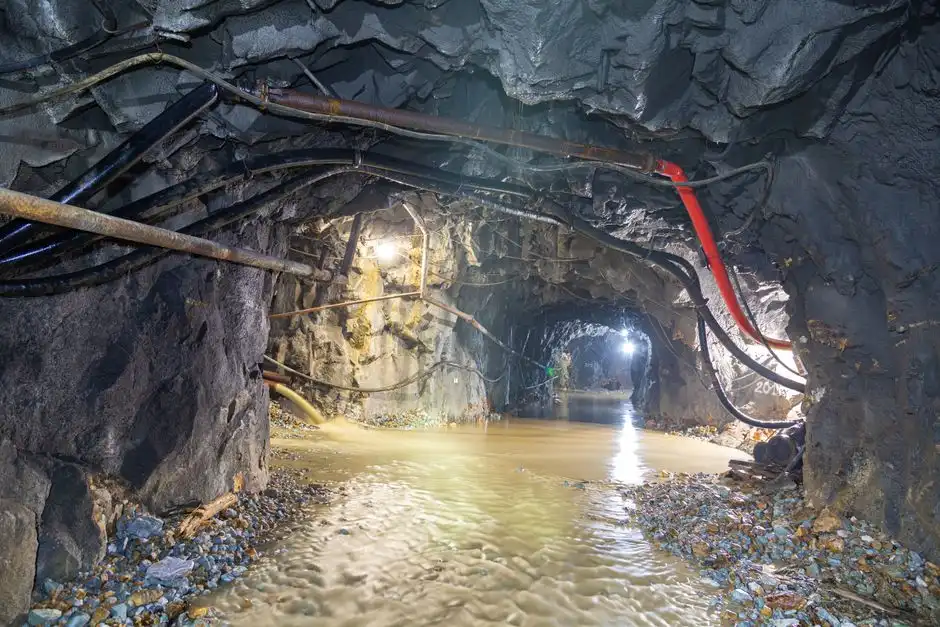 Water ExtractionExtraction removes the bulk water that feeds mold. After a leak, we extract carpet, pad, and subfloor moisture, then run an inspection to confirm nothing was missed under the surface.Explore →
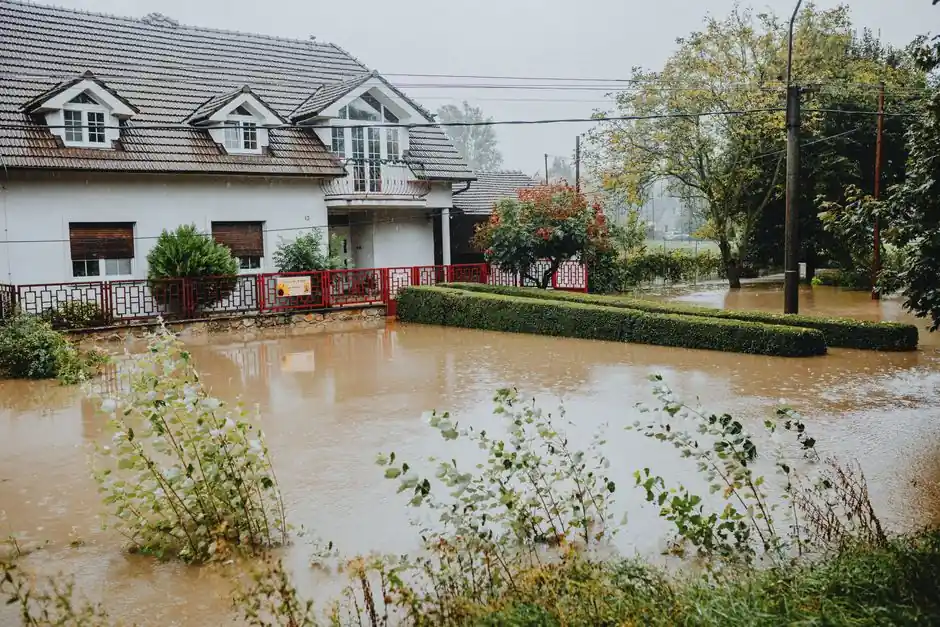 Flood Damage RestorationFloodwater carries contaminants and soaks into framing, which is a mold risk within days. We restore the structure and inspect the cavities before closing walls back up.Explore →
 Basement Water RemovalBasements under the Spanish Fork bench stay damp longer than the rest of the house. We remove the water, dry the space, and inspect the rim joists and block walls where mold likes to start.Explore →
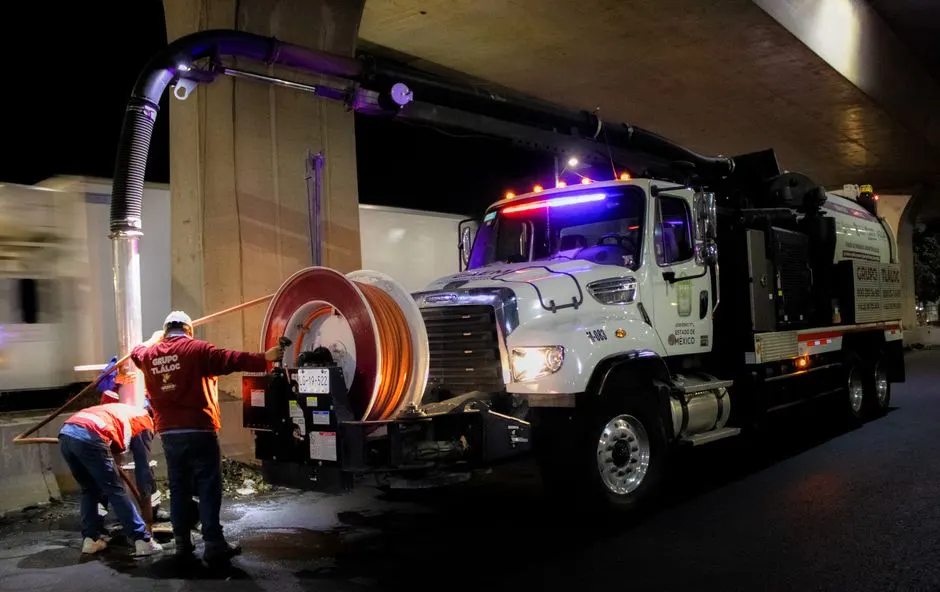 Burst Pipe CleanupA burst supply line can soak a wall cavity for hours before anyone notices. We clean up the water and inspect the drywall and insulation inside that cavity for hidden growth.Explore →
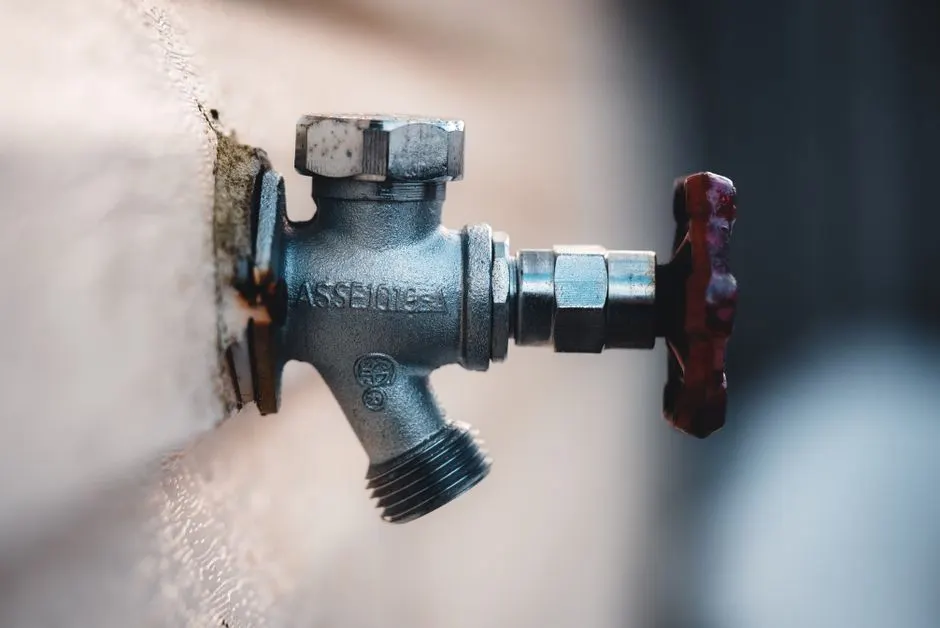 Plumbing Leak CleanupSlow leaks under sinks and behind appliances feed mold for weeks without a visible puddle. We find the leak, dry the cabinet or wall, and inspect the surrounding materials.Explore →
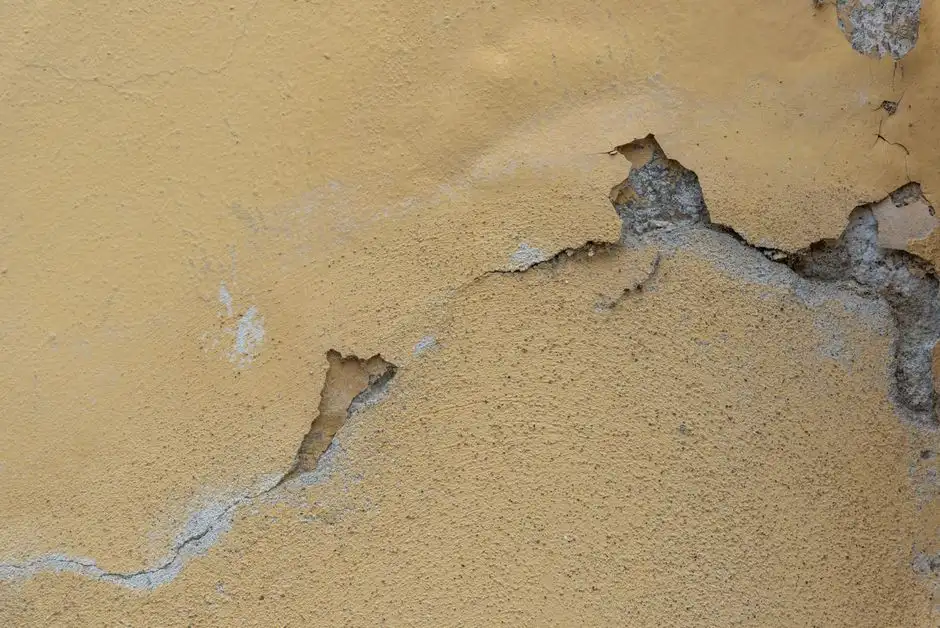 Ceiling Water Damage RepairRoof leaks and upstairs plumbing stains show up on ceilings first. We repair the drywall and inspect the attic-side framing and insulation above the stain for mold.Explore →
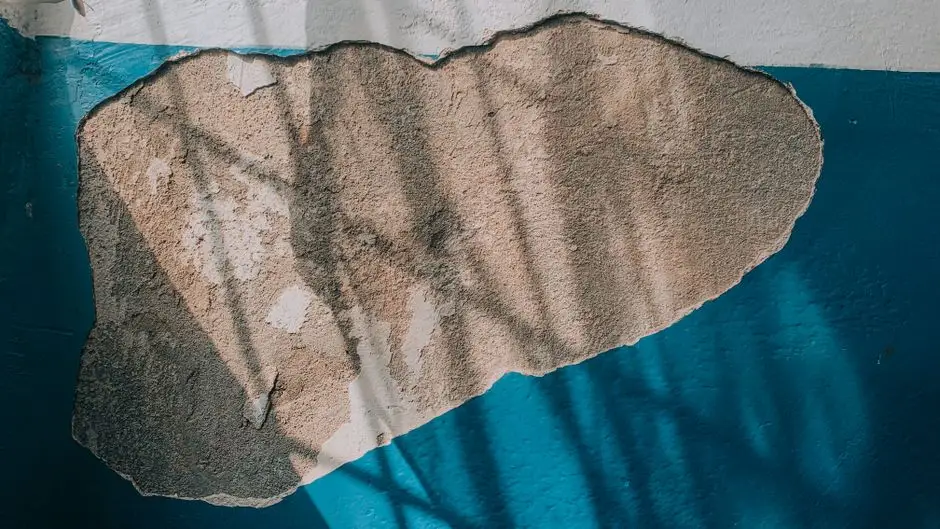 Wall Water Damage RepairWet drywall and insulation hold moisture long after the surface feels dry. We repair the wall assembly and inspect the cavity before it is closed up.Explore →
If you smell something musty or had a leak this year, a two-hour inspection now beats a remediation bill later. We are licensed, insured, and have been drying Utah County homes since 2010. Call and we will get you on the schedule.
Book Inspection 343487650 →Call any time, day or night. We answer the phone around the clock and dispatch from Spanish Fork, so most addresses see us within 60 to 90 minutes. If you are not sure whether you need a full crew or just advice, call and we will tell you straight.